

 Jazyk
Jazyk
Čo hľadať u výrobcu univerzálnych kĺbov
Čo hľadať u výrobcu univerzálnych kĺbov
Pravý výrobca univerzálnych kĺbov treba posudzovať podľa piatich konkrétnych faktorov: kvalita materiálu a tepelného spracovania, výrobné tolerancie, krútiaci moment a uhlová kapacita, certifikácie a spoľahlivosť dodacej doby . Výrobca, ktorý dokáže zdokumentovať tolerancie v rámci ±0,001 až ±0,005 palca , dodávať certifikácie mlynov na suroviny a poskytovať menovité hodnoty krútiaceho momentu podložené nezávislým testovaním je vo všeobecnosti dlhodobo bezpečnejším dodávateľom ako dodávateľ, ktorý ponúka iba cenu a rýchlosť dodania.
Pred vyžiadaním cenových ponúk zúžte vyhľadávanie pomocou tohto kontrolného zoznamu:
- Potvrďte, že výrobca vyrába špecifický typ spoja, ktorý vaša aplikácia potrebuje (jednoduchý, dvojitý alebo s konštantnou rýchlosťou).
- Požiadajte o údaje o krútiacom momente a uhlovej kapacite, nielen o katalógové rozmery.
- Overte si certifikácie kvality, ako sú ISO 9001 alebo IATF 16949, ak ich vaše odvetvie vyžaduje.
- Požiadajte vopred o dodaciu dobu vzorky a minimálne množstvo objednávky.
- Opýtajte sa, či je vlastné obrábanie, pokovovanie alebo náhrady materiálu dostupné interne.
Čo vlastne vyrába výrobca univerzálnych kĺbov
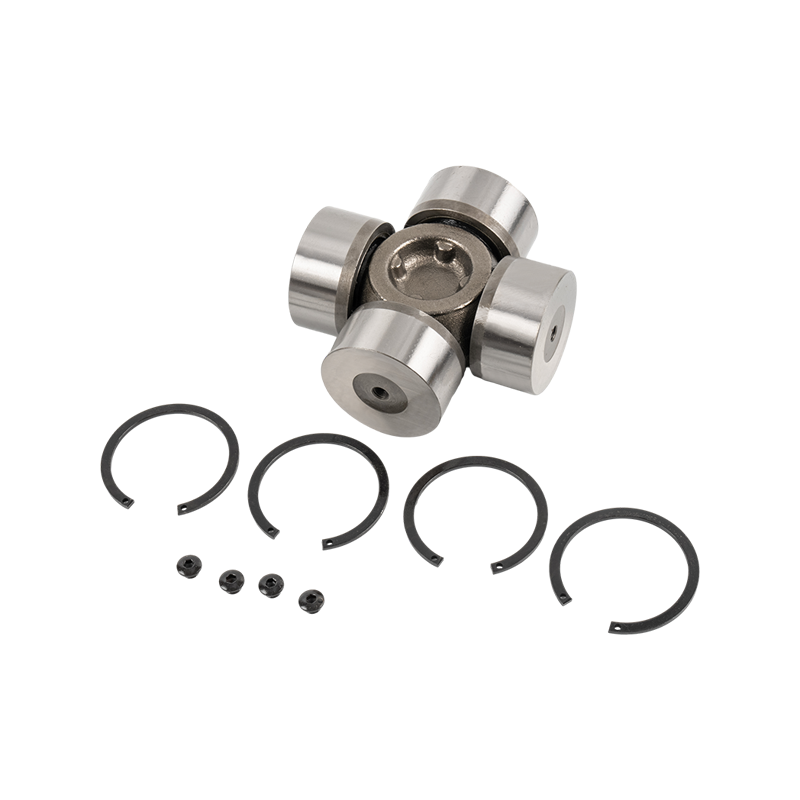
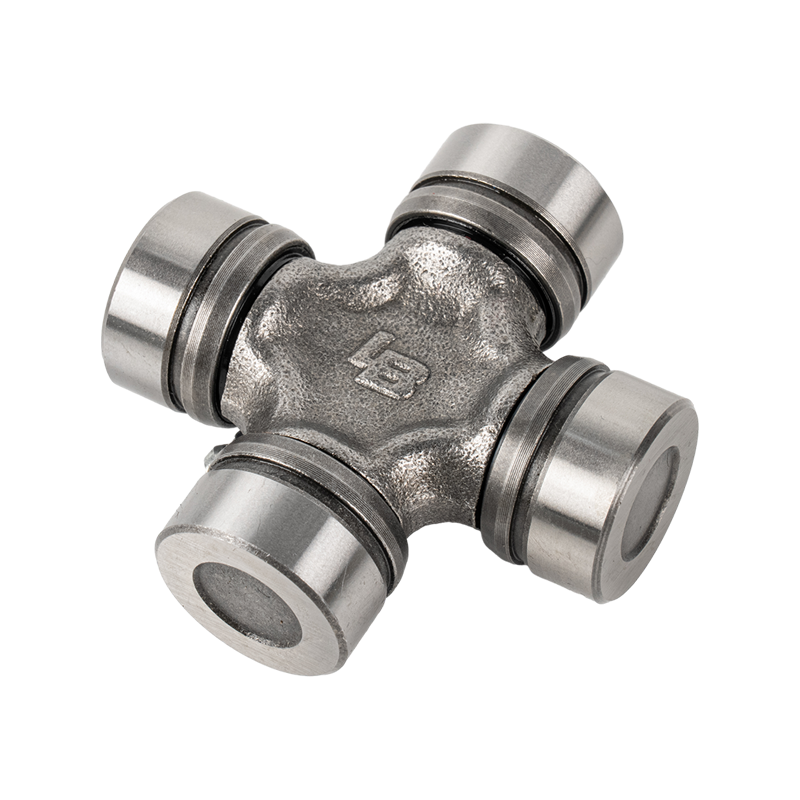
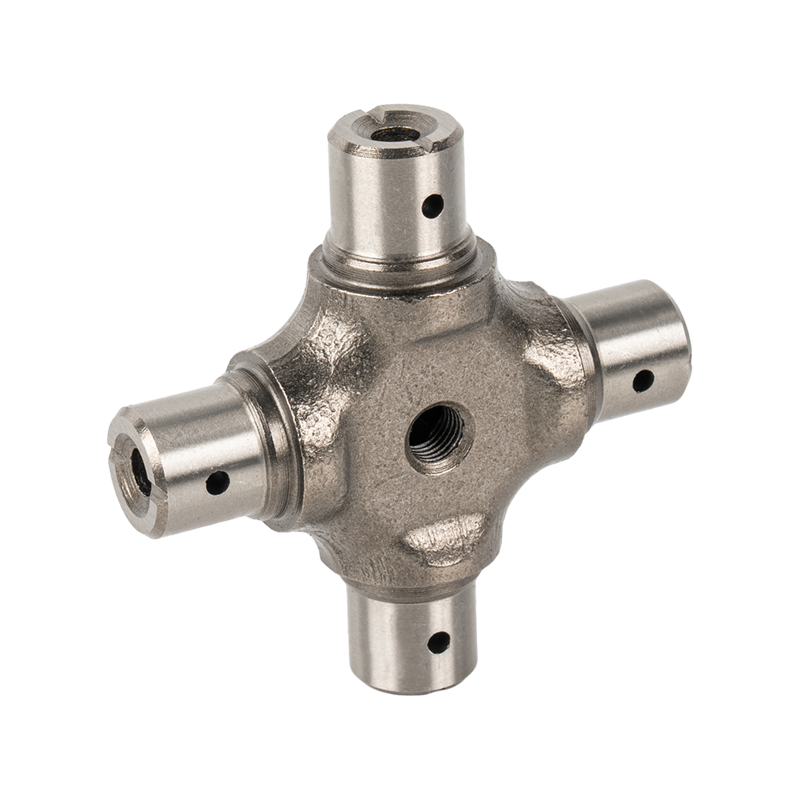
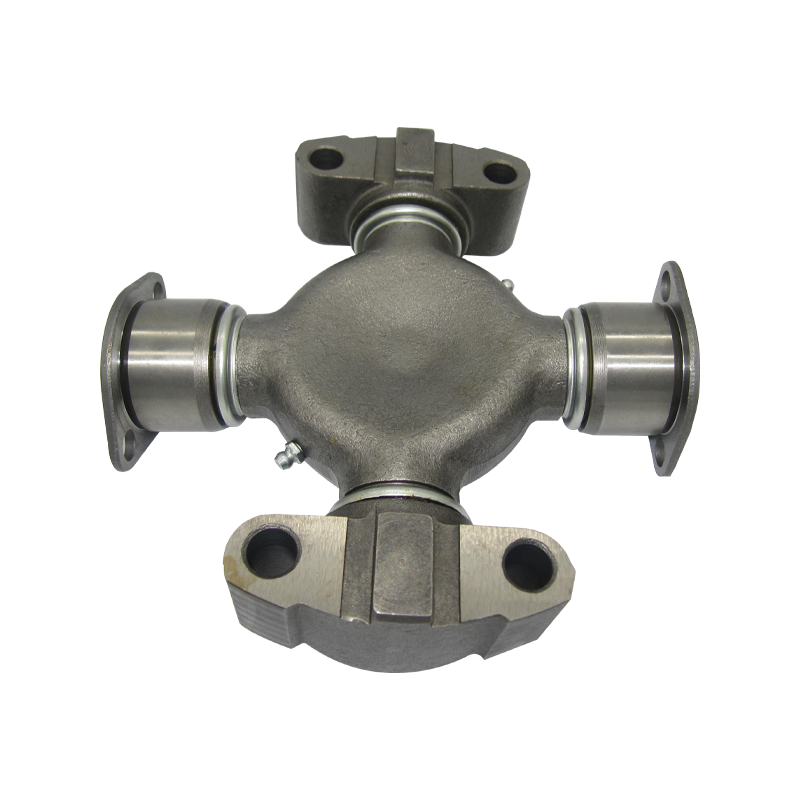
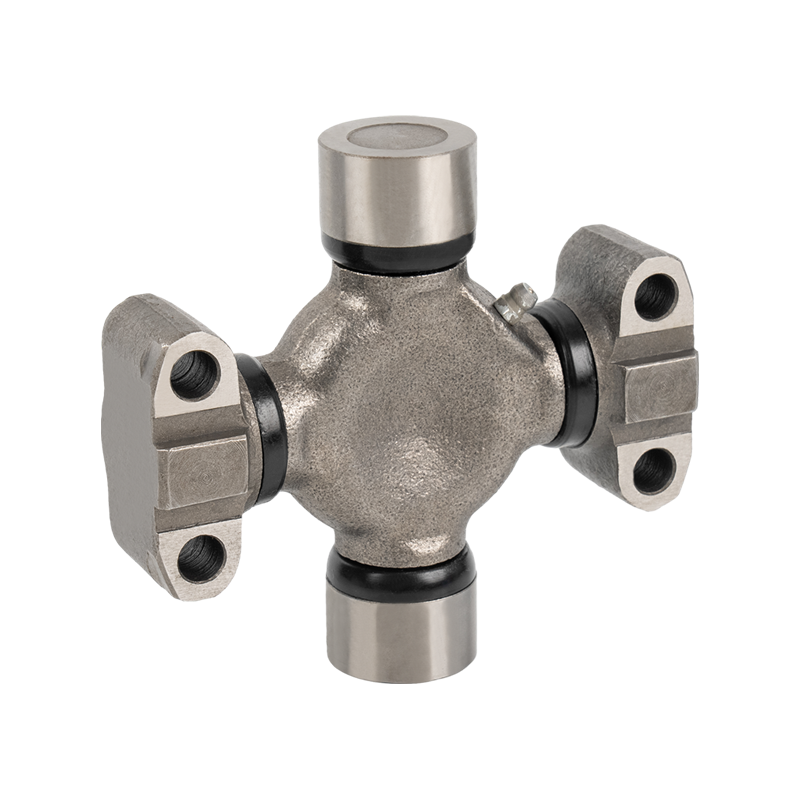
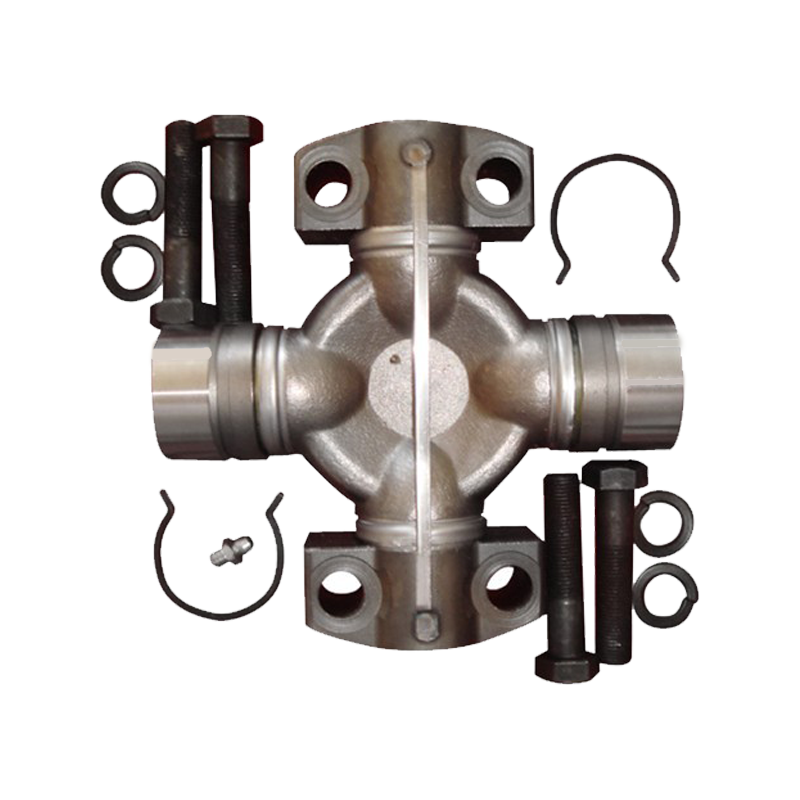
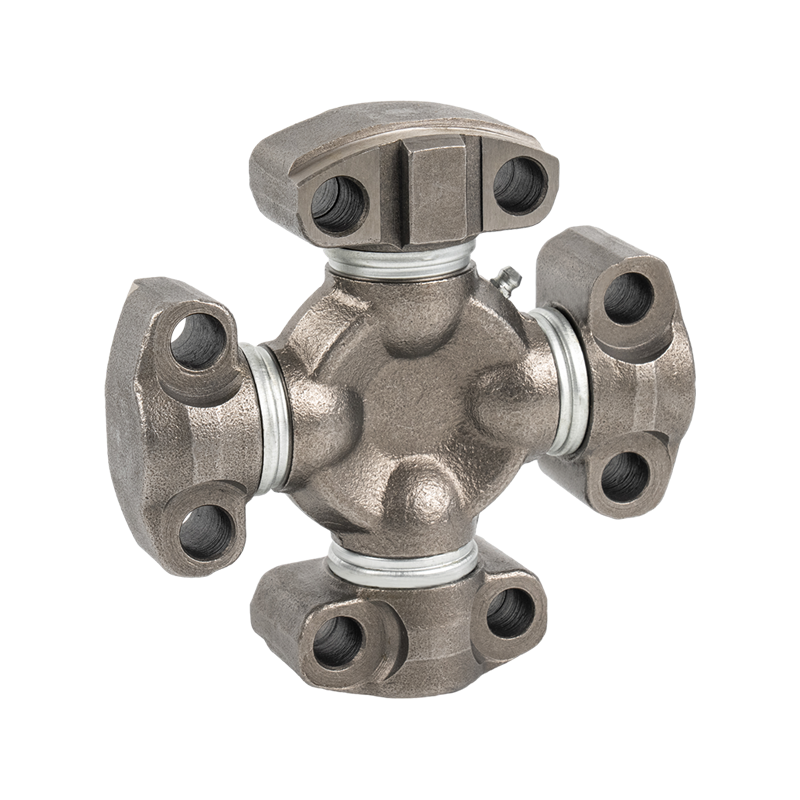
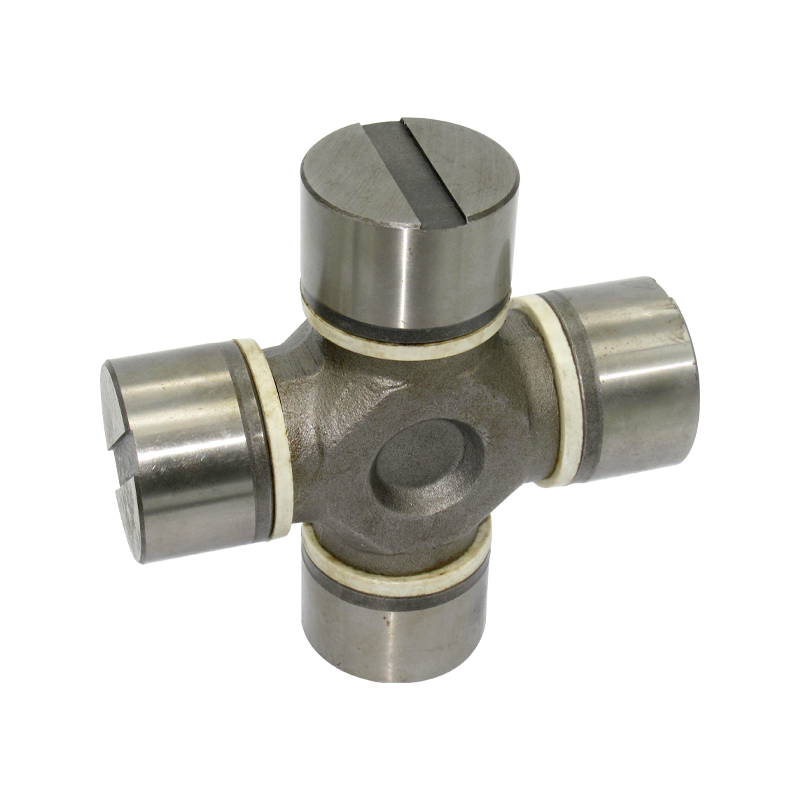
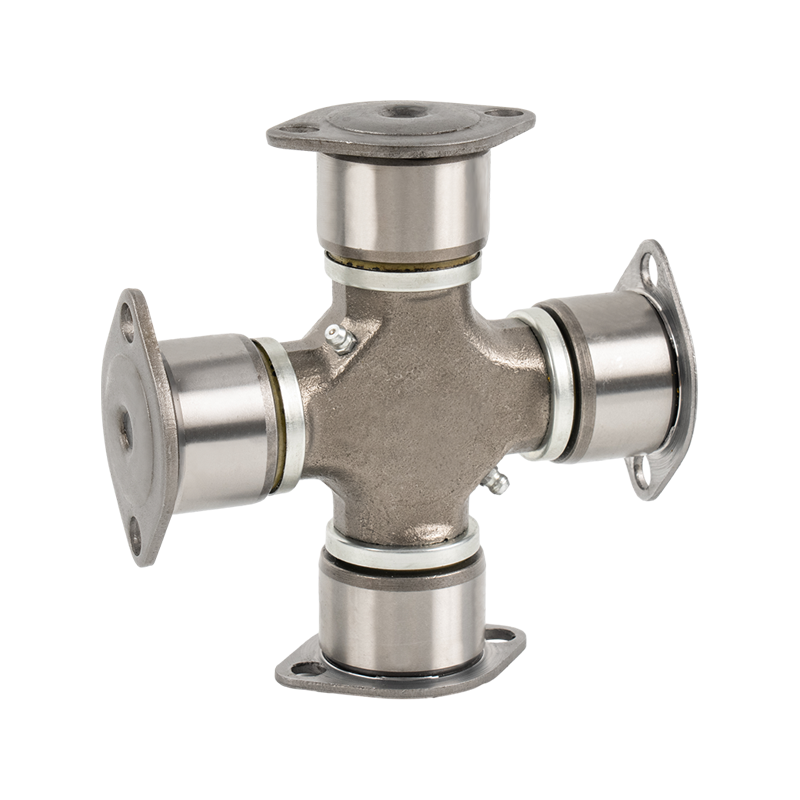
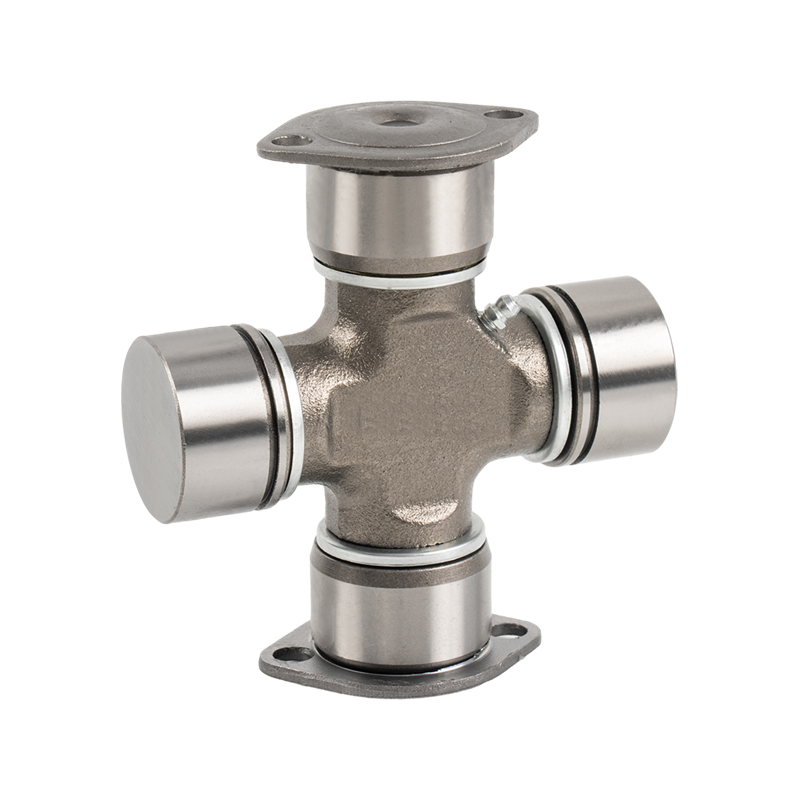
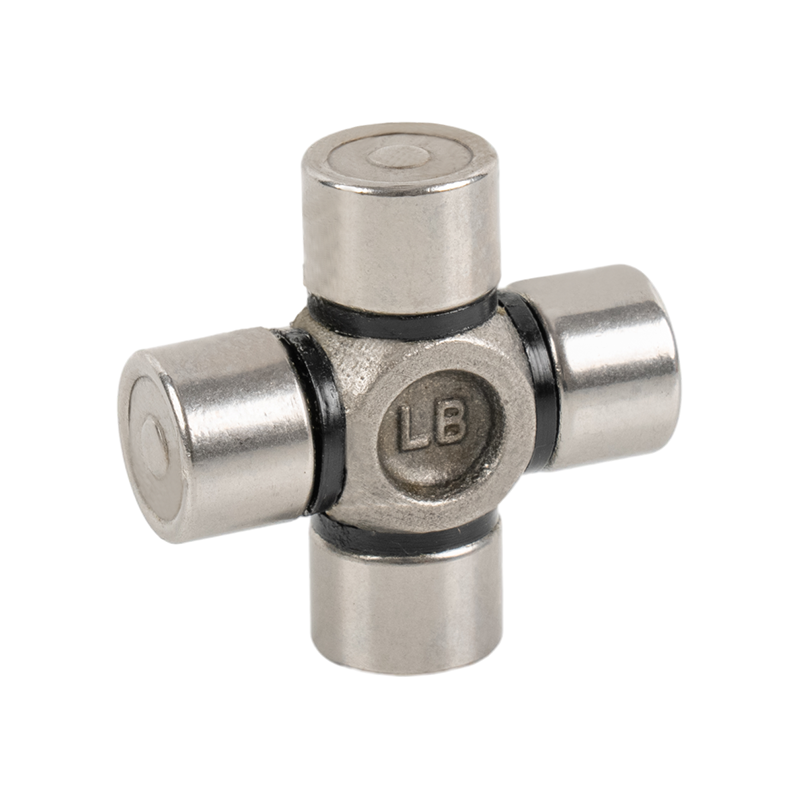
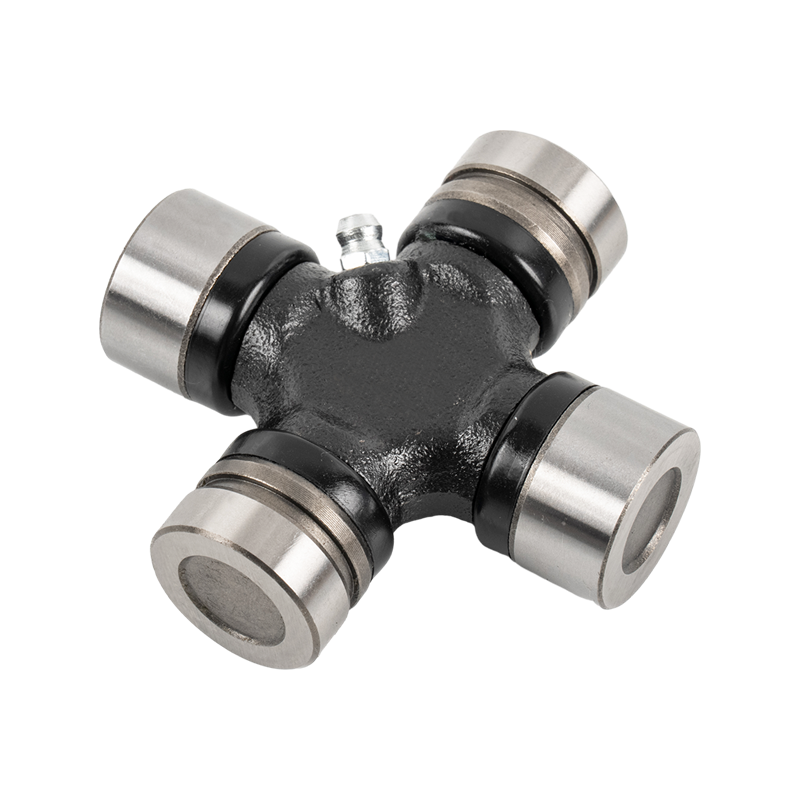
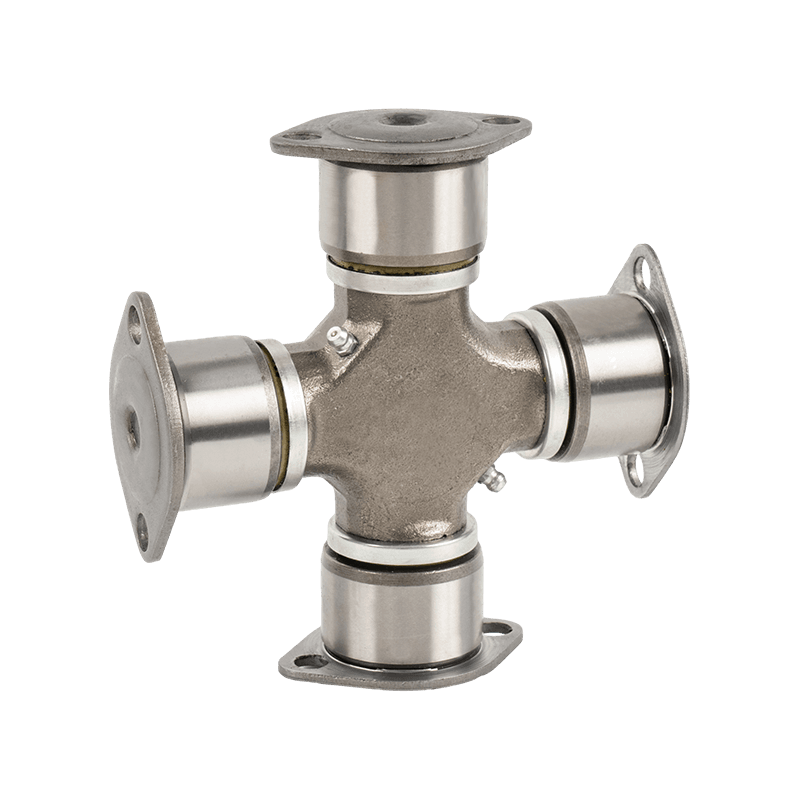
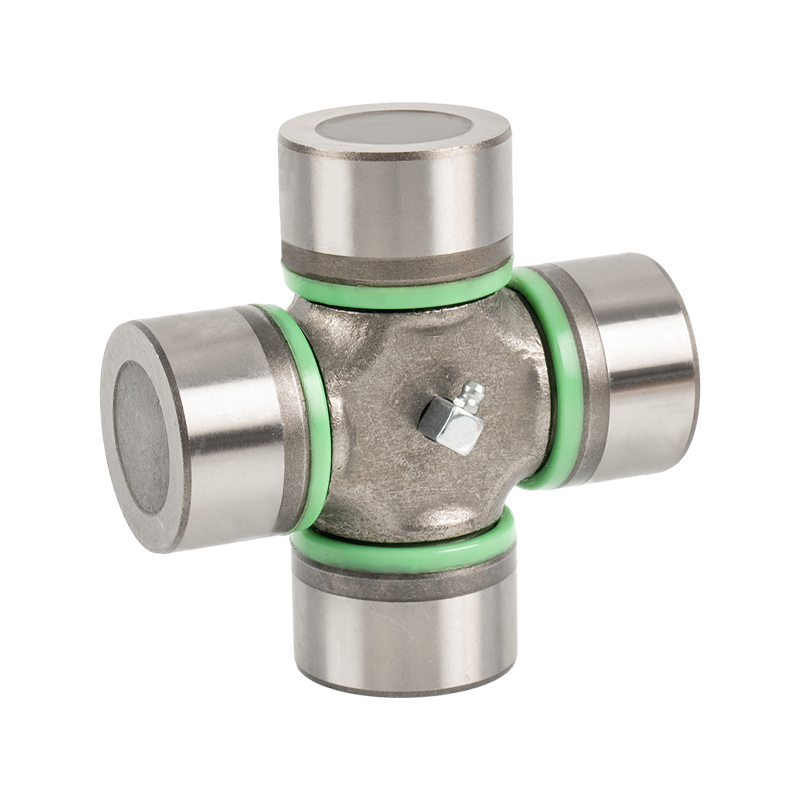
Univerzálny kĺb (U-kĺb) prenáša rotačnú silu medzi dvoma hriadeľmi, ktoré nie sú dokonale zarovnané. Výrobcovia zvyčajne vyrábajú niekoľko konfigurácií, aby vyhovovali rôznym požiadavkám na zaťaženie a uhol.
Jednoduché univerzálne kĺby
Najzákladnejšia konfigurácia, ktorá sa používa tam, kde je uhol vychýlenia malý – zvyčajne pod 45 stupňov — a variácia otáčok medzi vstupným a výstupným hriadeľom je prijateľná pre danú aplikáciu.
Dvojité univerzálne kĺby
Dva jednotlivé kĺby spojené stredovým strmeňom, čo umožňuje väčšie uhly vychýlenia pri udržiavaní výstupnej rýchlosti bližšie ku konštante. Tieto sú bežné v riadiacich systémoch a priemyselných hnacích sústavách manipulačných uhlov až 90 stupňov spolu .
Kĺby konštantnej rýchlosti (CV).
Navrhnuté tak, aby úplne eliminovali kolísanie rýchlosti, dokonca aj pri vyšších uhloch vychýlenia. Sú zložitejšie a nákladnejšie na výrobu, ale sú štandardom v automobilových hnacích nápravách a vysoko presných strojoch.
Kľúčové špecifikácie na vyžiadanie od akéhokoľvek výrobcu
Spoľahlivý výrobca by mal byť schopný poskytnúť zdokumentované špecifikácie, nielen číslo dielu a cenu.
| Špecifikácia | Prečo na tom záleží |
|---|---|
| Menovitý krútiaci moment (kontinuálny a špičkový) | Určuje bezpečné prevádzkové zaťaženie bez predčasného zlyhania |
| Maximálny pracovný uhol | Potvrdzuje kompatibilitu s vašou nevyrovnanosťou hriadeľa |
| Trieda materiálu a tvrdosť | Ovplyvňuje únavovú životnosť a odolnosť voči opotrebovaniu |
| Tolerancia otvoru | Zaisťuje správne uchytenie s hriadeľmi a znižuje vibrácie |
| Povrchová úprava/pokovovanie | Určuje odolnosť voči korózii vo vonkajšom alebo umývanom prostredí |
Materiály bežne používané výrobcami univerzálnych kĺbov
Výber materiálu priamo ovplyvňuje kapacitu krútiaceho momentu, hmotnosť a cenu. Renomovaní výrobcovia radšej zverejnia akosť materiálu, než aby ho opisovali len ako „oceľ“ alebo „zliatina“.
Uhlíková oceľ (1045/1060)
Najbežnejšia a cenovo najefektívnejšia možnosť pre všeobecné priemyselné a poľnohospodárske aplikácie, zvyčajne tepelne spracovaná na tvrdosť HRC 28–32 pre rovnováhu pevnosti a opracovateľnosti.
Legovaná oceľ (4140/8620)
Používa sa pre aplikácie s vyšším krútiacim momentom, ako je ťažká nákladná doprava, terénne zariadenia a priemyselné prevodovky. Spoje z legovanej ocele zvyčajne zvládnu O 20-40% vyšší krútiaci moment ako ekvivalentné diely z uhlíkovej ocele pri rovnakých rozmeroch.
Nerezová oceľ
Vybrané pre potravinárske, námorné a chemické prostredie, kde odolnosť proti korózii prevažuje nad potrebou maximálnej kapacity krútiaceho momentu, pretože nehrdzavejúce triedy majú vo všeobecnosti nižšiu únavovú pevnosť ako legovaná oceľ.
Odvetvia, ktoré sa spoliehajú na zákazkovú výrobu univerzálnych kĺbov
Zatiaľ čo katalógové spoje fungujú v mnohých aplikáciách, niekoľko priemyselných odvetví bežne vyžaduje diely vyrobené na mieru, aby spĺňali požiadavky na zaťaženie, priestor alebo životné prostredie.
- Poľnohospodárstvo: Vývodové hriadele na traktoroch a kombajnoch vyžadujú kĺby dimenzované na vysoký krútiaci moment a časté zmeny uhla pri vystavení prachu a nečistotám.
- Automobilový priemysel a nákladná doprava: Kĺby hnacej sústavy musia spĺňať prísne tolerancie únavovej životnosti a vyváženia, často overované testovaním na dynamometri.
- Marine: Spojky hriadeľa vrtule potrebujú materiály odolné voči korózii a tesné tesnenie, aby sa zabránilo vniknutiu slanej vody.
- Priemyselné stroje: Systémy pohonu dopravníkov a miešačiek často potrebujú kompaktné spoje navrhnuté pre špecifické pomery krútiaceho momentu a veľkosti.
- Letectvo a obrana: Požiadavky na prísne tolerancie a vysledovateľnosť materiálu si často vyžadujú zákazkové certifikácie nad rámec štandardných komerčných dielov.
Certifikáty a štandardy kvality, ktoré sa oplatí overiť
Certifikácie sú praktickým spôsobom, ako potvrdiť konzistentnosť procesu výrobcu pred tým, ako sa zaviaže k veľkej zákazke.
- ISO 9001: Potvrdzuje, že vo výrobe je zavedený zdokumentovaný systém riadenia kvality.
- IATF 16949: Vyžaduje sa väčšinou automobilových výrobcov OEM a dodávateľov úrovne 1 pre komponenty hnacej sústavy.
- AS9100: Nevyhnutné pre letecké a obranné aplikácie vyžadujúce úplnú sledovateľnosť materiálu.
- Certifikácia mlynov: Zdokumentujte presné chemické zloženie a mechanické vlastnosti šarží surovín.
Výrobca, ktorý nie je ochotný poskytnúť na požiadanie žiadny z týchto dokumentov, je varovným signálom, najmä pri objednávkach kritických z hľadiska bezpečnosti alebo pri veľkých objemoch zákaziek.
Domáci verzus zámorskí výrobcovia: Je potrebné zvážiť kompromisy
Domáci aj zahraniční výrobcovia môžu dodávať kvalitné diely, ale kompromisy sa dosť líšia na to, aby sa zohľadnili pri rozhodovaní o výbere.
| Faktor | Domáce | v zámorí |
|---|---|---|
| Dodacia lehota | Typicky 2-6 týždňov | 6-14 týždňov vrátane dopravy |
| Jednotkové náklady | Vyššie na jednotku | Nižšie na jednotku objemu |
| Minimálne množstvo objednávky | Často nižšie, flexibilnejšie | Často vyššie, aby sa odôvodnilo vybavenie/doprava |
| Komunikácia/podpora | Jednoduchšie časové pásmo a jazykové zarovnanie | Môže vyžadovať väčšiu koordináciu nad hlavou |
| Overenie kvality | Jednoduchšie audity na mieste | Môže vyžadovať kontrolu treťou stranou |
Otázky, ktoré by ste si mali položiť pred zadaním hromadnej objednávky
Krátky kvalifikačný rozhovor pred objednávkou môže zabrániť neskorším nákladným prekvapeniam, najmä v prípade OEM alebo veľkoobjemových zákaziek.
- Môžete poskytnúť vzorovú časť s úplnou správou o kontrole rozmerov pred úplnou výrobou?
- Aká je vaša typická chybovosť a ako sa sleduje v rámci výrobných sérií?
- Ponúkate vlastné veľkosti otvorov, konfigurácie strmeňa alebo povrchové úpravy?
- Aký je váš štandardný dodací čas a ako sa mení pri objednávkach nad vaše minimálne množstvo?
- Môžete dodať certifikácie mlynov a dokumentáciu o vysledovateľnosti materiálu pre každú dávku?
- Aká záruka alebo politika výmeny platí, ak diely zlyhajú pri menovitom zaťažení?
Bežné chyby pri výbere dodávateľa univerzálneho spoja
- Výber dodávateľa len na základe ceny bez potvrdenia menovitého krútiaceho momentu zodpovedá skutočnému zaťaženiu aplikácie.
- Nevyžiadanie vzorových dielov pred zadaním veľkej výrobnej zákazky.
- Prehliadanie nesúladu tolerancie otvoru, ktorý môže spôsobiť vibrácie a predčasné opotrebovanie aj na správne dimenzovanom spoji.
- Za predpokladu, že všetky spoje z "nehrdzavejúcej ocele" majú rovnakú odolnosť proti korózii bez kontroly konkrétnej triedy (napr. 304 vs 316).
- Nezohľadňuje sa variabilita dodacej doby, keď oneskorenie zámorskej zásielky ovplyvňuje výrobné plány.
Podpora údržby a dostupnosť na trhu s náhradnými dielmi
Dobrý vzťah s výrobcom nekončí dodaním. Opýtajte sa, či má dodávateľ na sklade náhradné diely, či ponúka súpravy na premazanie opraviteľných kĺbov a či môže dodať zodpovedajúce komponenty aj po rokoch, ak zariadenie potrebuje opravu. Výrobcovia, ktorí zachovávajú dlhodobú konzistentnosť čísel dielov výrazne zjednodušiť budúcu údržbu a výmenu v porovnaní s tými, ktorí často bez upozornenia menia špecifikácie alebo prestávajú vyrábať staršie diely.